

Vinyl Record Cleaning Machines
Vinyl records are experiencing a remarkable resurgence in 2026, captivating both new listeners and seasoned collectors. As this passion for analogue sound grows, so does the need for proper care and maintenance.
A clean record collection does more than just look appealing. It significantly enhances sound quality and helps preserve the life of your cherished vinyl.
However, dust, static, and grime can threaten the condition of both new releases and vintage finds. Without the right cleaning routine, records can suffer permanent damage and lose their value.
This guide will give you the knowledge and confidence to select the best record washer for your setup. We provide a comprehensive, up-to-date overview of the top options for 2026, covering washer types, must-have features, leading models, and proven maintenance strategies.
You will discover why record cleaning matters, how to evaluate different washer types, what features to prioritise, and expert tips for safeguarding your music investment.
Why Cleaning Your Records Matters in 2026
A pristine vinyl collection is more than just a hobby, it is an investment in sound quality, longevity, and health. In 2026, record enthusiasts and newcomers alike have recognised the essential role a record washer plays in preserving their music. With vinyl sales at their highest in decades, understanding why regular cleaning is vital has never been more important.
The Impact of Dust and Grime on Sound Quality
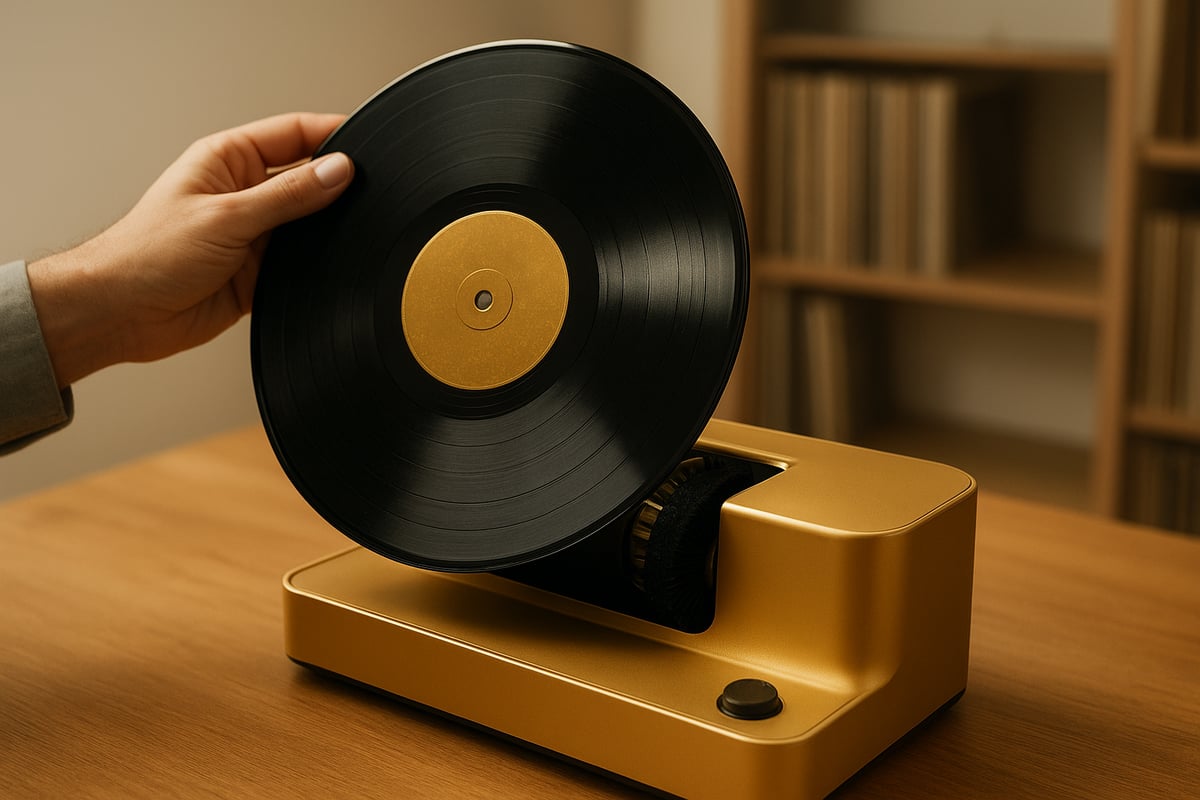
Even the smallest dust particles can disrupt the delicate grooves of a vinyl record. Over time, this dust, along with static and grime, causes pops, clicks, and a noticeable drop in audio fidelity. Recent audiophile studies show that surface noise increases by up to 30 percent on uncleaned records, while groove wear accelerates significantly.
Listeners often report a dramatic improvement in clarity after using a record washer, with hidden details emerging from their favourite albums. Static build-up is another concern, as it attracts more dust and can lead to premature stylus wear. By incorporating a record washer into your routine, you can ensure your collection delivers the best possible sound experience every time.
Preserving the Longevity of Your Vinyl Collection
Regular cleaning is not just about enjoying superior sound, it is about protecting your investment. Dirt and residue left on records can cause permanent groove damage, reducing both the lifespan and value of your collection. Well-maintained vinyl holds its financial and sentimental worth much longer.
The vintage record market in 2026 is thriving, with condition now a major factor in resale value. Collectors and sellers alike depend on proper maintenance to secure the best returns. For those interested in best practices, the Conservation and Restoration of Vinyl Discs guide offers further insight into long-term care.
Protecting Your Audio Equipment
A dirty record does not just affect playback, it directly impacts your equipment. Stylus and cartridge wear increases when debris is present, leading to costly replacements. In fact, replacing a stylus can be far more expensive than investing in a reliable record washer.
There are numerous accounts of stylus damage resulting from poorly maintained vinyl. By using a record washer, you are not only safeguarding your music but also extending the life of your audio setup. This simple step can prevent unnecessary repairs and keep your system performing at its best.
Hygiene and Allergen Considerations
Beyond sound and equipment, neglected records can harbour mould, mildew, and allergens. These contaminants pose health risks, particularly for sensitive listeners or those with allergies. Dust and spores can accumulate over time, especially in humid environments.
Regular use of a record washer helps eliminate these hazards, ensuring your listening space remains clean and safe. For families or shared households, this is an important aspect of maintaining a healthy environment while enjoying your vinyl collection.
Environmental and Resale Value
A clean record collection does more than sound good, it retains higher resale value and supports eco-friendly practices. Proper cleaning reduces the need for replacements and keeps records in circulation longer, which is better for the environment.
Many modern record washer systems use biodegradable fluids and reusable components, reducing waste. Maintaining your collection with regular cleaning is a responsible choice, benefiting both your wallet and the planet.
Types of Record Washers: Manual, Semi-Automatic, and Automatic
Choosing the right record washer can transform your vinyl listening experience. The market in 2026 offers several types, each catering to different needs, budgets, and collection sizes. Understanding how each record washer works will help you make an informed decision.
Manual Record Washers
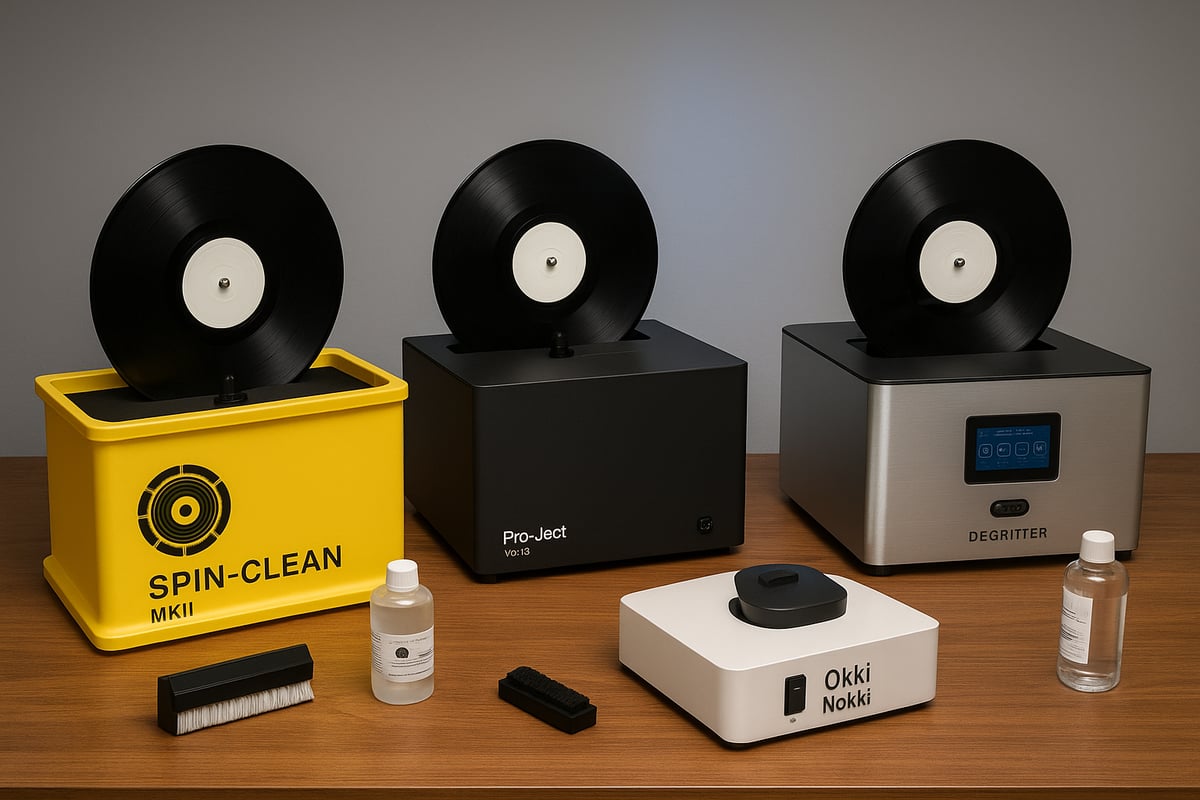
Manual record washers, such as the Spin-Clean MKII, are hand-operated systems that rely on your effort to rotate and clean records. These devices are a favourite for hobbyists due to their affordability and simplicity. With a manual record washer, you control the cleaning process, adjusting the pressure and speed to suit your vinyl.
Pros include a lower price point and minimal maintenance. You only need brushes, fluid, and a bit of patience. However, manual units can be labour-intensive, especially if you have a large collection. Batch cleaning is limited, and drying is often manual, which may introduce lint or water spots.
Spin-Clean’s popularity stems from its dual-brush system and effective cleaning solution. Many users report a noticeable reduction in surface noise after using a manual record washer.
Semi-Automatic Record Washers
Semi-automatic record washers bridge the gap between manual and fully automatic models. Devices like the Pro-Ject VC-E2 offer motorised rotation, ensuring consistent cleaning with less physical effort. You still handle fluid application and drying, but the machine takes care of record rotation.
The main advantages are improved cleaning consistency and reduced fatigue. Semi-automatic models tend to be more expensive than manual washers and may require occasional maintenance, such as replacing motor parts or seals.
Pro-Ject’s VC-E2 is often chosen by enthusiasts who want reliable cleaning without the higher cost of a fully automatic record washer. It is especially effective for medium-sized collections.
Automatic Record Washers
Automatic record washers automate nearly the entire cleaning process. Models like the Okki Nokki One handle fluid application, motorised rotation, and vacuum drying for a thorough, hands-off experience. This type of record washer is ideal for those with large or high-value collections.
The key benefits are speed and professional-level results. Automatic washers can clean multiple records quickly, making them suitable for collectors with hundreds of discs. However, they come at a premium price and require more space in your listening room.
Okki Nokki and similar machines are praised for their durability and consistent cleaning quality. Many audiophiles rely on an automatic record washer to keep their collections pristine.
Ultrasonic Record Washers
Ultrasonic record washers represent the cutting edge of vinyl care. These machines, such as the Degritter, use ultrasonic waves to generate microscopic bubbles in water, lifting dirt and contaminants from deep within the grooves. This technology ensures a gentle yet highly effective clean.
Pros include minimal physical contact with the vinyl, reducing the risk of damage. Ultrasonic washers excel at removing stubborn grime that manual brushes might miss. The main drawbacks are high cost and longer cleaning cycles compared to other record washer types.
Degritter’s ultrasonic system is considered the gold standard for audiophiles who demand the best possible care for their records.
Quick Comparison Table
| Type | Cost | Speed | Effectiveness | Maintenance |
|---|---|---|---|---|
| Manual | £-££ | Medium | Good | Low |
| Semi-Auto | ££-£££ | Fast | Very Good | Medium |
| Automatic | £££-££££ | Fastest | Excellent | Medium-High |
| Ultrasonic | ££££ | Slow | Outstanding | Medium |
Each record washer type offers unique strengths and trade-offs.
Suitability for Different Users
The best record washer depends on your needs. Beginners and those with small collections often choose manual washers for simplicity and cost. Collectors or archivists with larger libraries benefit from semi-automatic or automatic models, balancing convenience and thoroughness.
Professional DJs, who require frequent cleaning and reliability, typically invest in automatic or ultrasonic washers. For additional tools and cleaning supplies, explore vinyl accessories for record care to enhance your cleaning setup.
Selecting the right record washer ensures your vinyl sounds its best and lasts for years.
Key Features to Look for in a Record Washer
Choosing the right record washer in 2026 means looking beyond price and focusing on the features that truly matter. Whether you are a casual listener or a dedicated collector, knowing what to prioritise ensures your vinyl stays pristine and your audio experience remains top-notch.
Cleaning Mechanism and Effectiveness
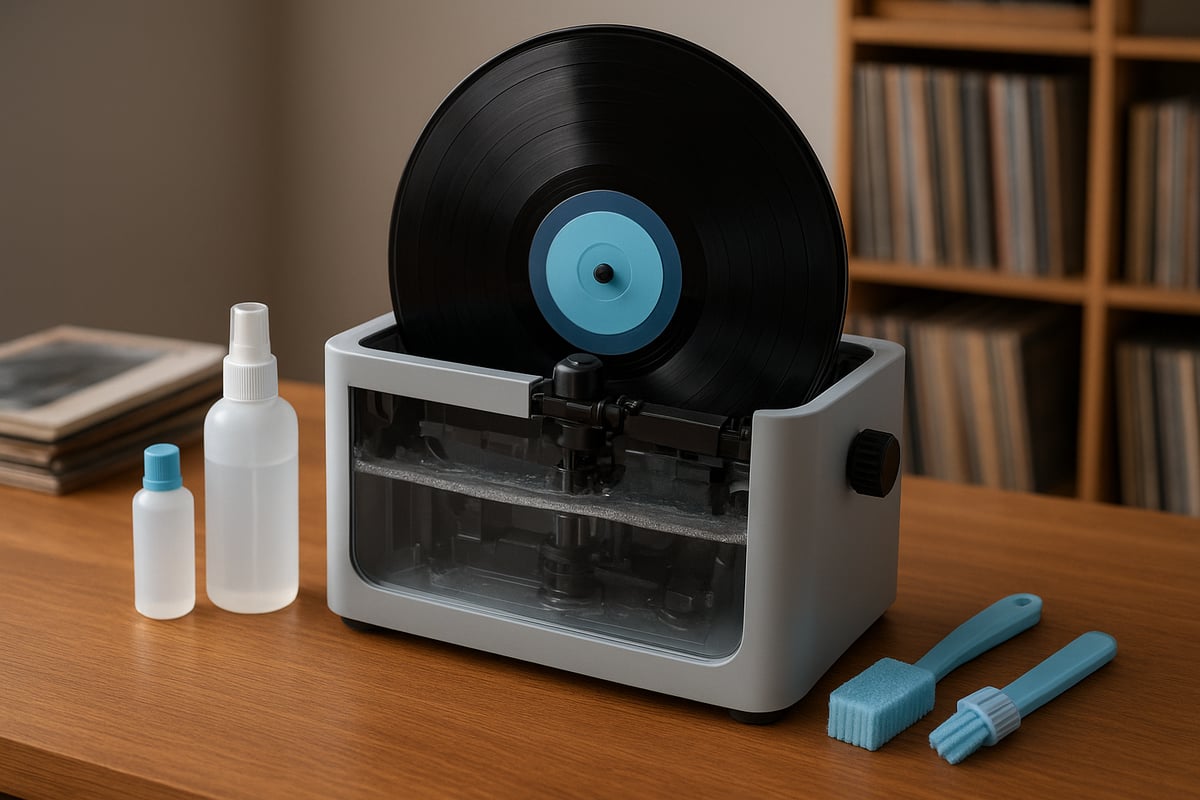
The cleaning mechanism is the heart of any record washer. Superior brush quality, even fluid distribution, and effective dirt removal separate average machines from excellent ones.
Look for dual-brush or multi-brush systems that touch both sides of the record evenly. Cleaning efficiency rates, as reported by manufacturers, can help you compare models. For instance, the Spin-Clean’s dual-brush design and encapsulation fluid are praised for removing deep-seated grime with minimal residue.
- Dual-brush systems for thorough cleaning
- Even fluid application prevents streaking
- Efficient dirt removal keeps grooves clear
A reliable record washer should consistently deliver clean, noise-free playback.
Drying Method: Air, Manual, or Vacuum
After cleaning, drying is crucial. Air drying is simple but can leave lint or water spots if not carefully managed. Manual drying with microfibre cloths offers more control but takes time.
Vacuum drying, found in higher-end models, removes fluid quickly and helps prevent recontamination. This method is ideal for those who want spotless records every time.
- Air drying: cost-effective, risk of spots
- Manual drying: hands-on, time-consuming
- Vacuum drying: fast, professional, reduces residue
Select a record washer with a drying method that matches your workflow and collection size.
Build Quality and Durability
A well-built record washer not only lasts longer but also protects your valuable records. Consider the materials used—plastic models are lightweight and affordable, while metal components add durability and stability.
Pay attention to the longevity of brushes, rollers, and fluid reservoirs. Some brands, like Spin-Clean, offer lifetime warranties, giving peace of mind. For collectors seeking compatible, robust equipment, explore options in Audio equipment for collectors.
- Sturdy construction prevents leaks and damage
- Replaceable parts extend lifespan
- Warranty coverage adds value
Investing in a durable record washer is a smart move for any collection.
Fluid Compatibility and Cost
Not all cleaning fluids are created equal. Some record washer models use alcohol-free solutions, which are safer for vintage vinyl, while others accept alcohol-based formulas for stubborn grime.
Check the ongoing costs for concentrate refills and replacement parts. A cost-effective washer should balance cleaning power with affordable maintenance.
- Alcohol-free vs. alcohol-based solutions
- Price of fluid refills
- Availability of replacement parts
Choose a record washer that aligns with your cleaning preferences and budget.
Batch Capacity and Speed
Efficiency matters, especially for large collections. Batch capacity refers to how many records can be cleaned per cycle. Manual washers often handle several at once, while high-end machines process one at a time but at greater speed.
- Batch cleaning saves time for DJs and collectors
- Single-record cycles suit audiophiles seeking precision
- Consider time investment per session
Evaluate your collection size to find the right balance.
Size, Portability, and Storage
Space is a premium for many users. Compact record washer models are ideal for small homes or flats, while professional units may require dedicated space.
- Lightweight designs for easy transport
- Simple setup and breakdown
- Storage-friendly dimensions
Pick a washer that fits seamlessly into your lifestyle.
Noise Level and User Experience
Noise can be a concern, especially in domestic settings. Manual record washer models are nearly silent, while automatic and vacuum machines may produce noticeable sound.
- Quiet operation for home use
- Industrial noise levels in larger machines
- User-friendly controls and clear instructions
Prioritise comfort and convenience for regular use.
Price Range and Value
In 2026, record washer prices vary widely. Manual models are budget-friendly, while semi-automatic and automatic washers come at a premium.
Assess value by considering your collection size and how often you clean your records. Paying more up front can mean years of reliable, hassle-free use.
- Manual washers: affordable entry point
- Semi-automatic: mid-range investment
- Automatic: premium price for convenience
A record washer is an investment in your music, collection, and listening experience.
Top Record Washer Models of 2026: Reviews & Comparisons
Choosing the right record washer in 2026 is crucial for maintaining your vinyl collection's sound and value. With technology evolving, the latest models offer new features, efficiency, and results. Below, we present in-depth reviews and comparisons of the most popular record washer models, helping you identify which best suits your needs.
Spin-Clean Record Washer MKII
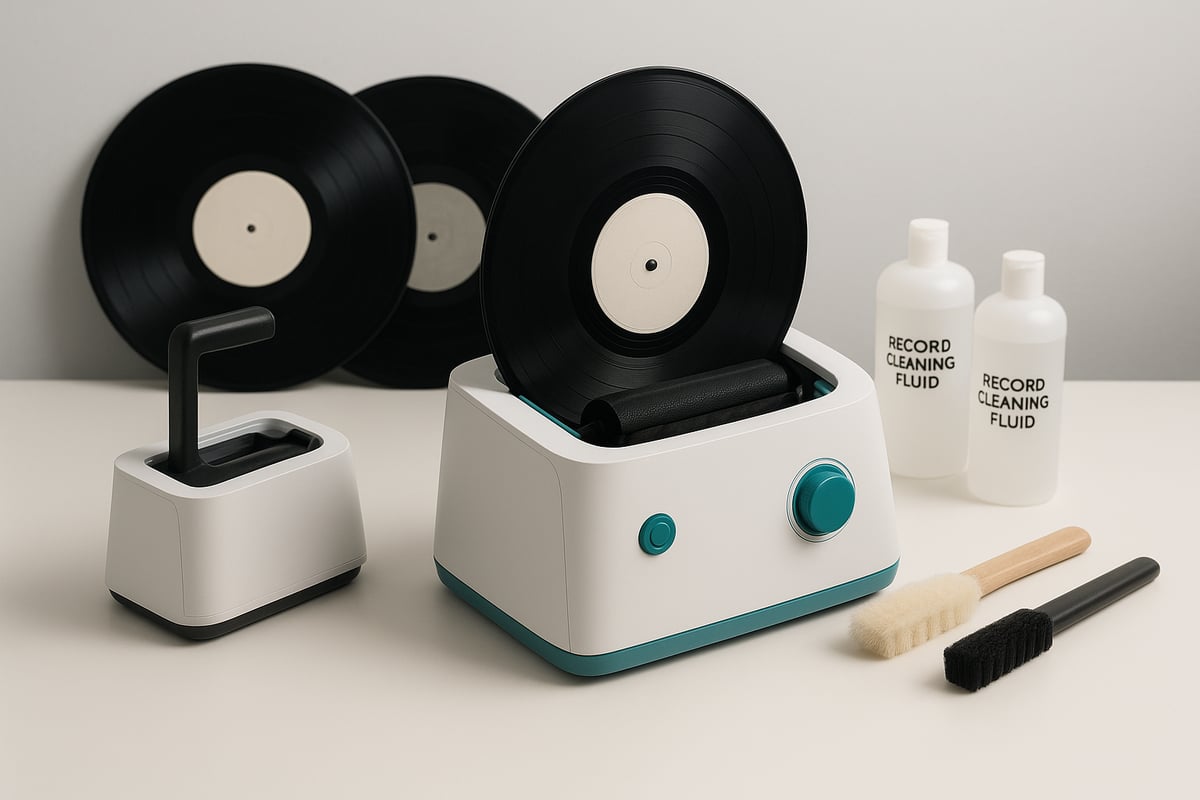
The Spin-Clean Record Washer MKII continues to be a favourite among entry-level collectors and enthusiasts in 2026. Its manual operation uses a twin brush system and alcohol-free fluid to gently lift dirt from vinyl grooves.
Users appreciate the straightforward batch cleaning process. You simply rotate the record by hand through the cleaning basin, allowing the brushes to dislodge dust and debris. Many report a noticeable reduction in pops and surface noise after using this record washer.
Pros include affordability, ease of use, and the ability to clean multiple records per session. The kit comes in various bundles, such as Deluxe and Anniversary, offering extra fluid and accessories. The main drawback is manual labour, which may not suit those with larger collections, but the consistent cleaning results make it a reliable choice.
Pro-Ject VC-E2/VC-S3
The Pro-Ject VC-E2 and VC-S3 models are semi-automatic solutions, combining motorised rotation with manual fluid application. This record washer appeals to users seeking faster and more consistent cleaning than fully manual systems.
A key advantage is vacuum drying, which removes residue and minimises recontamination. The robust build quality, featuring metal components, ensures long-term durability. Users highlight the compact size of the VC-E2 and the larger capacity of the VC-S3 for bigger collections.
Feedback points to efficient fluid usage and reduced noise compared to older models. While the record washer is more expensive than manual options, its speed and thoroughness make it a smart investment for intermediate collectors.
Okki Nokki One
The Okki Nokki One stands out as a fully automatic record washer designed for audiophiles and serious collectors. Its vacuum-based cleaning system handles both the washing and drying process, delivering professional-level results at home.
In 2026, the latest version introduces quieter operation and improved suction power. Users benefit from hands-off cleaning, with the machine managing the entire cycle. Maintenance is straightforward, and replacement parts are widely available.
The primary downside is the higher price point and the larger size, which may not fit every space. However, for those with extensive collections, the Okki Nokki One offers exceptional cleaning performance and reliability.
Degritter Ultrasonic Record Cleaner
Ultrasonic technology defines the Degritter Ultrasonic Record Cleaner, making it the gold standard for deep groove cleaning. This record washer uses high-frequency sound waves and water to remove microscopic debris without physical contact.
Audiophiles report that even heavily soiled records regain clarity and detail after a Degritter cycle. The machine features adjustable cleaning programmes, advanced water filtration, and quiet operation. Cycle times are longer than vacuum-based models, but the results justify the wait.
Cost remains the main barrier, as this record washer is among the most expensive on the market. Still, its effectiveness and gentle treatment of vinyl make it a top choice for preservationists and archivists.
Other Notable Models
Several other record washer models deserve mention in 2026. The Knosti Disco-Antistat remains popular for budget-conscious users, offering efficient manual cleaning. The Record Doctor VI provides affordable vacuum cleaning for small collections. Emerging brands also introduce innovative features, such as eco-friendly materials and modular designs, expanding the options available.
Comparison Table
Below is a quick comparison of leading 2026 record washer models:
| Model | Cleaning Method | Capacity | Price Range | Pros | Cons |
|---|---|---|---|---|---|
| Spin-Clean MKII | Manual | Batch | £80–£150 | Affordable, easy to use | Manual effort |
| Pro-Ject VC-E2/VC-S3 | Semi-Automatic | Single | £400–£650 | Fast, vacuum drying | Higher cost |
| Okki Nokki One | Automatic Vacuum | Single | £500–£800 | Professional results | Larger footprint |
| Degritter Ultrasonic | Ultrasonic | Single | £2,000+ | Deep cleaning, gentle | Expensive |
Choosing the Right Model for Your Needs
Selecting the best record washer depends on your collection size, budget, and expectations. Beginners or those with small collections often start with manual options like the Spin-Clean. Intermediate users value the speed and efficiency of semi-automatic systems, while audiophiles and archivists invest in automatic or ultrasonic models.
Consider your priorities: Are you looking for convenience, deep cleaning, or a balance of cost and performance? For those seeking to enhance their setup further, explore Audiophile essentials and upgrades to complement your record washer and care routine.
Ultimately, matching your needs to the right record washer ensures your vinyl collection stays in peak condition. Whether you are a hobbyist or a professional, there is a model in 2026 tailored to your requirements.
Step-by-Step Guide: How to Choose the Best Record Washer for You
Choosing the right record washer in 2026 requires a clear understanding of your unique needs, collection size, and budget. With so many options available, it is vital to follow a structured approach. This guide breaks down each step to ensure you select a record washer that protects your vinyl, suits your lifestyle, and delivers excellent results.
Assess Your Collection and Cleaning Needs
Start by evaluating your vinyl collection. Is it a small set of cherished albums or a growing archive with hundreds of records? Consider the types of records you own, such as vintage pressings or brand-new releases, and note any rare or delicate items that may require gentle cleaning.
Frequency also matters. If you play records daily, a more robust record washer may be justified. For occasional use or smaller collections, a manual model might suffice. This honest assessment is the foundation for every decision that follows.
Set Your Budget
Establish a realistic budget before you shop for a record washer. Manual washers are ideal for those seeking affordability and can cost significantly less than automatic or ultrasonic units. Semi-automatic and automatic machines, while pricier, offer more convenience and speed.
Factor in not just the upfront cost, but also the value over time. Investing in a quality record washer can save you money on stylus replacements and record repairs. Decide what you are willing to spend to protect your collection for years to come.
Prioritise Essential Features
Identify the features that matter most for your situation. Do you need batch cleaning to process multiple records quickly, or is a gentle, individual wash more important for your rare items? Key features to consider include:
- Cleaning mechanism (brush type, fluid delivery)
- Drying method (vacuum, air, manual)
- Build quality and warranty
- Fluid compatibility
For professional DJs or collectors, consider models that can handle large volumes. If you need additional tools, explore DJ accessories for vinyl maintenance to enhance your cleaning routine.
Research and Compare Models
With your priorities set, research the models that match your needs. Compare specifications, cleaning methods, and user reviews. Look for feedback on ease of use, reliability, and after-sales support.
Online guides such as How to Clean Vinyl Records (2025): Vacuums, Solution, Wipes offer valuable insights into the effectiveness of various record washer technologies, from manual systems to ultrasonic cleaners. Make use of comparison tables to see at a glance how different models stack up.
Try Before You Buy (If Possible)
Whenever possible, visit a local audio shop or record store to see record washers in action. Hands-on demonstrations allow you to assess build quality, noise levels, and ease of operation. Ask retailers about ongoing maintenance, fluid costs, and available accessories.
Prepare a list of questions before your visit, such as how often brushes need replacing or whether the washer suits all vinyl sizes. This step can provide confidence and help you avoid buyer’s remorse.
Consider Maintenance and Running Costs
Every record washer requires ongoing care. Calculate the cost of replacement cleaning fluid, brushes, and filters. Some machines are easy to clean and maintain, while others may require more effort or expense.
Think about storage, especially if space is limited. Choose a model that fits your available area and lifestyle. Proper maintenance ensures your investment continues to deliver top performance and protects your records from avoidable damage.
Make Your Purchase and Get Started
Once you have selected the ideal record washer, buy from a reputable retailer or directly from the manufacturer. Look for bundle deals or extended warranties that add value. Follow the manufacturer’s setup instructions carefully to get the best results from the start.
As you begin, keep your cleaning supplies organised and create a routine that fits your listening habits. With the right record washer, you will enjoy cleaner sound, longer-lasting vinyl, and peace of mind every time you drop the needle.
Expert Tips for Maintaining Your Record Washer and Vinyl Collection
Keeping your record washer and vinyl collection in peak condition is essential for sound quality and longevity. Following expert maintenance routines ensures your equipment and records deliver top performance, while reducing long-term costs and effort. Use these proven tips to protect your investment and enjoy your favourite albums for years to come.
Proper Use and Cleaning of Your Washer
To get the most from your record washer, always follow the manufacturer's guidelines for use and cleaning. Begin every session by inspecting the brushes, rollers, and reservoirs for debris or residue. After each use, thoroughly clean these components with distilled water to prevent build-up and ensure optimal performance.
Develop a routine where you empty and rinse the fluid reservoir promptly after washing records. Dry all removable parts before reassembly, as lingering moisture can harbour mould or mildew. For example, Spin-Clean recommends cleaning after every use to maintain efficiency.
Regular upkeep not only extends the life of your record washer but also guarantees consistently clean records. Neglecting basic cleaning can result in cross-contamination and diminished cleaning power.
Best Practices for Record Cleaning
Always use distilled water or a recommended cleaning solution in your record washer. Tap water may contain minerals that leave deposits or harm vinyl. Select alcohol-free fluids for delicate or vintage records to avoid potential damage.
When drying, opt for vacuum or lint-free cloths to prevent static and water spots. Air drying is acceptable if records are placed in a dust-free environment, but avoid stacking damp records.
Handle each record by the edges and label, and never touch the grooves. This prevents oils and dirt from transferring, which can reduce the effectiveness of your record washer.
Storing and Handling Clean Records
Proper storage is key to preserving your vinyl. Place cleaned records in anti-static inner sleeves immediately after using your record washer. These sleeves reduce static build-up and shield against airborne dust.
Store records vertically on sturdy shelving to prevent warping. Avoid areas with direct sunlight, heat sources, or humidity, as environmental extremes can damage vinyl and sleeves alike.
Regularly check your storage area for signs of mould or pests. Clean shelving and replace sleeves as needed to maintain a healthy environment for your collection.
Troubleshooting Common Issues
If you notice persistent surface noise or residue after using your record washer, inspect the cleaning brushes and fluid. Worn brushes may not reach deep into the grooves, while dirty or diluted fluid can redeposit grime.
Replace brushes, rollers, and fluid according to the manufacturer's schedule. If records remain noisy, try a second cleaning cycle or adjust your technique. For stubborn contaminants, consider pre-cleaning with a manual brush before running the record washer.
Should your washer develop leaks or operational issues, consult the user manual for troubleshooting steps. Prompt attention prevents minor problems from escalating and keeps your record washer running smoothly.
Extending the Life of Your Washer
Store your record washer in a cool, dry place when not in use. Disassemble and dry all components before storage to prevent mould and mildew. Only use manufacturer-approved fluids and accessories, as substitutes may cause premature wear or void warranties.
For infrequent users, run a maintenance cycle every few months to keep seals and moving parts in good condition. Keep a log of maintenance activities, including fluid changes and part replacements, to track performance over time.
A well-maintained record washer not only lasts longer but also delivers consistently high cleaning results, protecting your vinyl investment.
Additional Tools and Accessories
Enhance your cleaning routine with supplementary tools. Anti-static brushes remove surface dust before and after using your record washer. Cleaning mats provide a stable, scratch-free surface for handling records.
Drying racks are useful for air drying multiple records at once, especially after manual cleaning. Consider using a soft, dedicated cloth for final buffing, and inspect records under good lighting for missed spots.
These accessories complement your record washer and help maintain a pristine collection with minimal effort.
Staying Up to Date with Record Care Trends
The vinyl community continues to innovate, with new cleaning products and technologies emerging each year. Stay informed by following manufacturer updates, audiophile forums, and market research. The Vinyl Record Cleaning Machine Market Research Report 2033 offers valuable insights into the latest trends and advancements in record washer technology.
Attend local record fairs or audio events to see new washers and accessories in action. Regularly review your cleaning and storage practices to incorporate proven improvements.
By staying current, you ensure your record washer and collection benefit from the best available care.